
7 Surprising Facts About the Iran-Dubai Conflict: A Geopolitical Analysis
7 Surprising Facts About the Iran-Dubai Conflict: A Geopolitical Analysis
The Iran-Dubai conflict is a complex and fascinating tale that spans centuries, with cultural significance that resonates deeply in the region. Imagine a strategic waterway, the Strait of Hormuz, where nearly 20% of the world’s oil passes through, and two nations, Iran and the UAE, vying for control. This is not just a story of politics and economics; it’s a tale of cultural identity, national pride, and historical grievances that have been simmering for decades. As we delve into the intricacies of this conflict, we’ll explore the ancient civilizations that once flourished in the region, the discovery of oil, and the cultural significance that has shaped the conflict.
1. Ancient Civilizations and Trade Routes
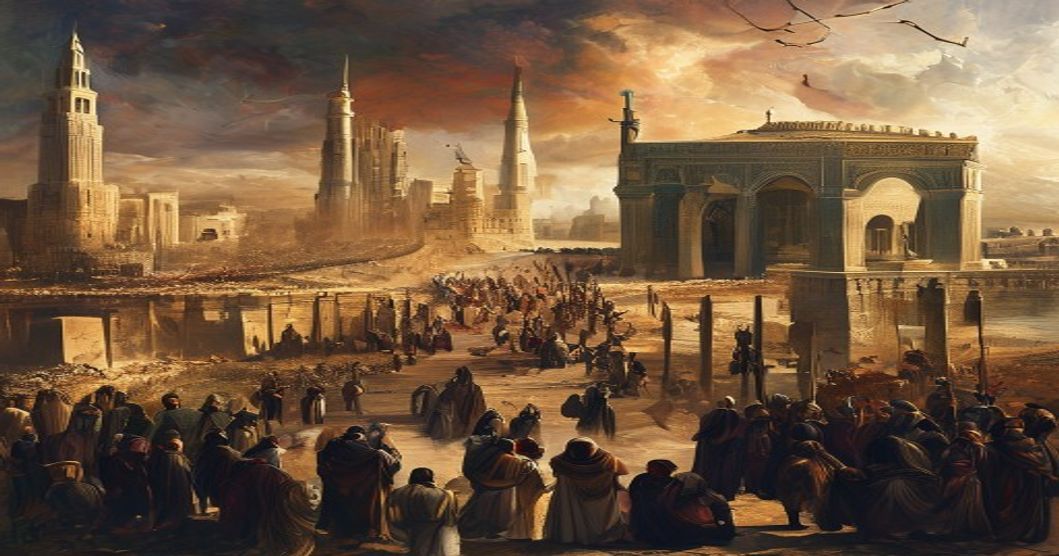
The history of the Iran-Dubai conflict is rooted in the ancient civilizations that once flourished in the region. The Persian Empire, which once spanned from modern-day Iran to Egypt, played a significant role in shaping the region’s culture, trade, and politics. The ancient Silk Road, which connected China to the Mediterranean, passed through the region, making it a crucial hub for trade and cultural exchange. In the 7th century, the Islamic conquest of Persia marked a significant turning point in the region’s history, with the introduction of Islam and the Arabic language. This period saw the rise of prominent figures such as Ibn Sina, a Persian polymath who made significant contributions to philosophy, medicine, and mathematics.
2. Geography and Strategic Location
The geography of the region has always been a significant factor in the Iran-Dubai conflict. The Strait of Hormuz, which connects the Persian Gulf to the Gulf of Oman, is a critical waterway that separates Iran from the Arabian Peninsula. This strategic location has made the region a prized possession for empires and nations throughout history, with control of the strait being a key factor in the conflict. In 1971, the UAE gained independence from Britain, and since then, the country has been embroiled in a dispute with Iran over the ownership of three islands in the Strait of Hormuz: Abu Musa, Greater Tunb, and Lesser Tunb. The dispute has been a major point of contention between the two nations, with Iran maintaining a military presence on the islands.
3. Oil and Economic Interests
The discovery of oil in the region has been a major factor in the Iran-Dubai conflict. The abundance of oil reserves in Iran and the UAE has made the region a critical player in the global energy market, with both countries vying for control of the oil-rich territories. In 1908, the first oil well was drilled in Iran, marking the beginning of the country’s oil industry. Today, Iran has the fourth-largest oil reserves in the world, with an estimated 157 billion barrels. The UAE, on the other hand, has the seventh-largest oil reserves, with an estimated 98 billion barrels. The competition for control of these oil reserves has been a major driver of the conflict, with both nations seeking to assert their dominance in the region.
4. Cultural Significance and National Identity
The Iran-Dubai conflict is not just about politics and economics; it’s also about cultural identity and national pride. The region is home to a diverse array of cultures, languages, and traditions, with both Iran and the UAE seeking to assert their dominance and promote their own brand of nationalism. In Iran, the cultural heritage is deeply rooted in the country’s rich history, with significant contributions to literature, art, and architecture. The UAE, on the other hand, has a more modern approach to nationalism, with a focus on promoting its own unique cultural identity. The cultural significance of the region is evident in the many historical sites, museums, and cultural festivals that showcase the unique heritage of the region.
5. Historical Grievances and Border Disputes
The Iran-Dubai conflict has a long history of grievances and border disputes. In 1979, the Iranian Revolution marked a significant turning point in the region’s history, with the establishment of an Islamic republic in Iran. The revolution led to a deterioration in relations between Iran and the UAE, with the UAE supporting Iraq in the Iran-Iraq War. The war, which lasted from 1980 to 1988, resulted in significant losses for both countries, with an estimated 1 million casualties. The conflict has also been marked by numerous border disputes, including the dispute over the three islands in the Strait of Hormuz.
6. International Involvement and Diplomacy
The Iran-Dubai conflict has also been marked by international involvement and diplomacy. In 2015, the Joint Comprehensive Plan of Action (JCPOA) was signed, aiming to limit Iran’s nuclear program in exchange for relief from economic sanctions. The agreement was seen as a significant breakthrough in the region, with the potential to reduce tensions between Iran and the UAE. However, the agreement has been criticized by some, with concerns that it does not address the underlying issues driving the conflict. In recent years, there have been efforts to promote diplomacy and dialogue between the two nations, with the UAE and Iran engaging in talks to resolve their differences.
7. Future Prospects and Opportunities
As we look to the future, there are opportunities for the Iran-Dubai conflict to be resolved through diplomacy and dialogue. The region is home to a young and growing population, with a significant proportion of youth under the age of 30. This demographic shift has the potential to drive change and promote peace in the region, with young people seeking to build a more stable and prosperous future. In recent years, there have been efforts to promote people-to-people diplomacy, with cultural exchange programs and educational initiatives aimed at promoting understanding and cooperation between the two nations. As the region continues to evolve and grow, there is hope that the Iran-Dubai conflict can be resolved, and a new era of peace and cooperation can emerge.
In conclusion, the Iran-Dubai conflict is a complex and multifaceted issue, driven by a range of historical, cultural, and economic factors. As we have seen, the conflict has a rich and fascinating history, with significant implications for the region and the world. By understanding the complexities of the conflict, we can work towards promoting peace and cooperation in the region, and building a more stable and prosperous future for all.
Frequently Asked Questions
What is the Iran-Dubai conflict about?
The conflict is about control of the Strait of Hormuz, a strategic waterway with cultural significance.
What is the historical background of the Iran-Dubai conflict?
The conflict is rooted in ancient civilizations, trade routes, and the Islamic conquest of Persia.
Why is the Strait of Hormuz important in the Iran-Dubai conflict?
The strait is a critical waterway separating Iran from the Arabian Peninsula, with nearly 20% of the world’s oil passing through.
Recommended Reading
Explore these hand-picked resources to dive deeper into this topic:
- The Shock of the New: The Hundred-Year History of Modern Art by Robert Hughes
- A Peace to End All Peace: The Fall of the Ottoman Empire and the Creation of the Modern Middle East by David Fromkin
- National Geographic Atlas of the World (Reference Edition)
As an Amazon Associate, we earn from qualifying purchases. This helps support Fact Storm Hub at no extra cost to you.
Share this story

🤖 AI Content Disclosure
This article was created using AI-assisted research and writing tools, then reviewed for quality and accuracy. Facts are sourced from publicly available web research, but readers should verify critical information from primary sources.
Published for educational and entertainment purposes. Last reviewed: May 2026