

Unveiling Ancient Petra: 7 Fascinating Facts and Hidden Histories
Unveiling Ancient Petra: 7 Fascinating Facts and Hidden Histories
In the heart of Jordan, hidden within the rugged mountains, lies the ancient city of Petra, a testament to the ingenuity and craftsmanship of our ancestors. With a history spanning over 2,000 years, this magnificent city has been a subject of fascination for historians and archaeologists alike, offering a unique glimpse into the lives of the Nabataeans, the civilization that once thrived here. As we delve into the history of Petra, we begin to unravel the mysteries that surround this ancient wonder, and the secrets it holds are nothing short of astonishing.
1. The Ancient City of Petra Was Once a Major Center of Trade
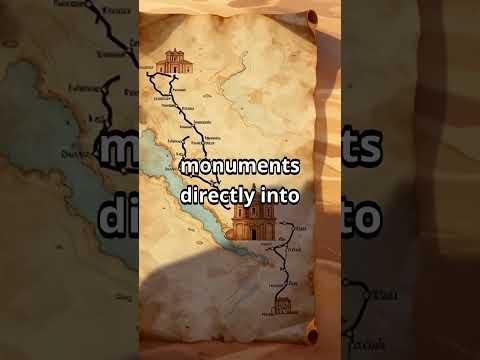
Petra, situated at the crossroads of the ancient world, was a crucial hub for the exchange of goods, ideas, and cultures. The city’s strategic location allowed it to control the trade routes between the East and the West, making it a melting pot of different civilizations. With a network of roads and pathways that stretched from the Mediterranean to the Arabian Peninsula, Petra was the epicenter of commerce, with merchants trading goods such as spices, textiles, and precious metals. This bustling metropolis was home to over 20,000 inhabitants, who lived and worked in harmony, leaving behind a legacy that would be etched in the annals of history.
2. Petra Is Home to Over 500 Monuments and Structures
The ancient city of Petra is a treasure trove of architectural wonders, with over 500 monuments and structures that showcase the advanced engineering skills of the Nabataeans. From the intricate facades of the Royal Tombs to the majestic architecture of the Monastery, each structure is a testament to the creativity and craftsmanship of the people who built them. The most iconic of these structures is Al-Khazneh, also known as the Treasury, which is carved directly into the sandstone cliffs and stands over 40 meters tall. This magnificent structure is a masterpiece of ancient engineering, with intricate details and carvings that have withstood the test of time.
3. The Nabataeans Were Skilled Water Engineers
One of the most impressive aspects of Petra is its sophisticated water management system, which was designed and built by the Nabataeans. This ancient civilization developed a complex network of pipes, channels, and reservoirs that brought water from nearby springs to the city, allowing its inhabitants to thrive in the arid desert landscape. The Nabataeans’ expertise in water engineering was unmatched in the ancient world, and their innovative solutions allowed them to cultivate crops, raise livestock, and support a large population. This remarkable achievement is a testament to the ingenuity and resourcefulness of the Nabataeans, who were able to create a thriving oasis in the middle of the desert.
4. Petra Was Once a Major Center of Learning and Culture
The ancient city of Petra was not only a center of trade and commerce but also a hub of learning and culture. The city was home to a number of schools, libraries, and temples, where scholars and philosophers would gather to share knowledge and ideas. The Nabataeans were known for their love of learning, and they attracted scholars and intellectuals from all over the ancient world. The city’s cultural landscape was diverse and vibrant, with influences from Greek, Roman, and Egyptian cultures, among others. This melting pot of ideas and cultures helped to create a unique and fascinating civilization that left an indelible mark on the history of the region.
5. The City of Petra Was Abandoned for Over 1,000 Years
After the decline of the Nabataean civilization, the city of Petra was abandoned and left to the mercy of the desert. For over 1,000 years, the city lay hidden, its existence all but forgotten by the outside world. It wasn’t until the 19th century, when a Swiss explorer named Johann Ludwig Burckhardt stumbled upon the site, that Petra was rediscovered and its secrets began to be unraveled. The city’s abandonment was a result of a combination of factors, including earthquakes, floods, and the rise of new trade routes that bypassed Petra. Despite being forgotten, the city’s structures and monuments remained remarkably intact, a testament to the ingenuity and craftsmanship of the Nabataeans.
6. Petra Is Home to Some of the Oldest Known Examples of Rock-Cut Architecture
The ancient city of Petra is renowned for its rock-cut architecture, with structures carved directly into the sandstone cliffs. Some of these structures date back to the 6th century BCE, making them some of the oldest known examples of rock-cut architecture in the world. The most impressive of these structures is the Monastery, also known as Al-Deir, which is carved into the face of a mountain and stands over 50 meters tall. This magnificent structure is a testament to the advanced engineering skills of the Nabataeans, who were able to carve complex and intricate designs into the rock face with remarkable precision.
7. The Nabataeans Were Polytheistic, Worshiping a Number of Different Gods
The Nabataeans were a polytheistic civilization, worshiping a number of different gods and goddesses. Their pantheon of deities included gods such as Dushara, Al-‘Uzza, and Allat, who were associated with the sun, moon, and fertility. The Nabataeans believed that these gods played an active role in their daily lives, and they built numerous temples and shrines to honor them. The most famous of these temples is the Temple of the Winged Lions, which is dedicated to the goddess Al-‘Uzza and features intricate carvings and sculptures of lions and other mythological creatures.
8. Petra Is Located in a Seismically Active Region
The ancient city of Petra is located in a seismically active region, with numerous fault lines and earthquakes that have shaped the city’s landscape over the centuries. The city has been affected by several major earthquakes, including one in 363 CE that caused significant damage to the city’s structures and monuments. Despite these challenges, the city’s inhabitants were able to adapt and rebuild, using innovative engineering solutions to mitigate the effects of earthquakes and other natural disasters. This resilience and resourcefulness are a testament to the ingenuity and determination of the Nabataeans, who were able to thrive in a region prone to seismic activity.
9. Petra Is a UNESCO World Heritage Site and One of the New 7 Wonders of the World
In 1985, Petra was designated a UNESCO World Heritage Site, recognizing its cultural and historical significance. In 2007, the site was also named one of the New 7 Wonders of the World, in a global poll that attracted millions of votes. This recognition has helped to raise awareness of the site’s importance and has attracted millions of visitors from around the world. As a result, Petra has become one of the most popular tourist destinations in the Middle East, with visitors drawn to its stunning natural beauty, rich history, and cultural significance.
10. Petra Attracts Over 1 Million Visitors Each Year
The ancient city of Petra is one of the most popular tourist destinations in the world, attracting over 1 million visitors each year. The site’s stunning natural beauty, rich history, and cultural significance make it a must-see destination for anyone interested in history, architecture, or culture. Visitors can explore the site on foot, by horseback, or by camel, taking in the breathtaking scenery and marveling at the ingenuity and craftsmanship of the Nabataeans. As the site continues to attract visitors from around the world, it is clear that Petra will remain an important part of our shared cultural heritage for generations to come.
Final Thought
The ancient city of Petra is a testament to the ingenuity, creativity, and determination of the Nabataeans, who were able to build a thriving civilization in the heart of the desert. As we explore the history of this fascinating city, we are reminded of the importance of preserving our cultural heritage and protecting our shared history for future generations. With its stunning natural beauty, rich history, and cultural significance, Petra is a destination that will continue to inspire and awe visitors from around the world, offering a unique glimpse into a bygone era and a chance to experience the magic of the ancient world. As we reflect on the history of Petra, we are reminded that the past is always present, and that the secrets of our ancestors hold the key to understanding our shared humanity.
Frequently Asked Questions
What was Petra’s role in ancient trade?
Petra was a major center of trade, controlling routes between East and West, with goods like spices and textiles exchanged.
How many monuments are in Petra?
Petra is home to over 500 monuments and structures, showcasing the Nabataeans’ advanced engineering skills.
What is the most iconic structure in Petra?
The Treasury, or Al-Khazneh, is the most iconic, carved into sandstone cliffs and standing over 40 meters tall.
Recommended Reading
Explore these hand-picked resources to dive deeper into this topic:
- Petra: Lost City of Stone by Jane Taylor
- The Lost City of the Nabataeans by Iain Browning
- National Geographic Petra Documentary (HD travel film)
As an Amazon Associate, we earn from qualifying purchases. This helps support Fact Storm Hub at no extra cost to you.
Share this story
🤖 AI Content Disclosure
This article was created using AI-assisted research and writing tools, then reviewed for quality and accuracy. Facts are sourced from publicly available web research, but readers should verify critical information from primary sources.
Published for educational and entertainment purposes. Last reviewed: May 2026