Uncovering the Secrets of Space Farming: Don Pettit’s ISS Potato Experiment
Uncovering the Secrets of Space Farming: Don Pettit’s ISS Potato Experiment
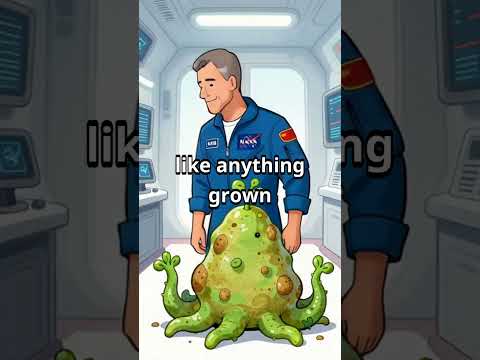
In the vast expanse of space, a surprising discovery has been made by NASA astronaut Don Pettit, who recently published a photo of a bizarre tentacled object growing aboard the International Space Station (ISS). As it turns out, this mysterious object was not a space creature, but a potato that had been growing in the microgravity environment of the ISS. This experiment is part of a larger effort to explore the possibilities of space farming and sustainable food production in space. With the increasing popularity of technologies to grow food in space, Don Pettit’s space potato experiment is a notable achievement that has garnered significant attention on social media and in the scientific community.
1. The Accidental Discovery
The photo of the space potato, shared by Don Pettit on social media, stunned many users who initially thought it was a space creature. However, as the news spread, it became clear that the object was, in fact, a potato that had been growing in the ISS as part of an experiment. This accidental discovery has sparked a renewed interest in space farming and the possibilities of growing food in space. The fact that a potato can grow in the microgravity environment of the ISS is a significant finding, with implications for future long-duration space missions.
2. Don Pettit’s Space Farming Hobby
Don Pettit, the NASA astronaut behind the space potato experiment, has been involved in space farming as a hobby. He has been growing food in space for some time, and his experiment with the potato is just one example of his efforts to explore the possibilities of sustainable food production in space. With the ISS providing a unique environment for space farming, Don Pettit’s hobby has the potential to contribute significantly to our understanding of how to grow food in space.
3. The ISS as a Laboratory for Space Farming
The ISS has been used for various experiments, including those related to growing food in space. The microgravity environment of the ISS provides a unique laboratory for scientists to study the effects of space on plant growth and development. By conducting experiments like Don Pettit’s space potato experiment, scientists can gain valuable insights into the challenges and opportunities of space farming. The ISS has already been used for several space farming experiments, and it is likely that we will see more in the future.
4. The Growing Interest in Space Farming
Don Pettit’s space potato experiment is part of a growing interest in space farming and sustainable food production in space. As space agencies and private companies begin to plan for long-duration space missions, the need for sustainable food systems becomes increasingly important. Space farming has the potential to provide a reliable source of food for astronauts on long-duration missions, reducing the need for resupply missions from Earth. With the increasing popularity of technologies to grow food in space, it is likely that we will see significant advancements in space farming in the coming years.
5. The Challenges of Space Farming
Growing food in space is not without its challenges. The microgravity environment of the ISS can affect plant growth and development, and the lack of natural light and soil can make it difficult to grow plants. However, scientists like Don Pettit are working to overcome these challenges, using hydroponics and other techniques to grow plants in space. By studying the effects of space on plant growth and development, scientists can develop new technologies and strategies for space farming.
6. The Potential of Space Farming
The potential of space farming is significant, with implications for future long-duration space missions. By providing a reliable source of food, space farming can help to reduce the need for resupply missions from Earth, making space missions more sustainable and cost-effective. Additionally, space farming can provide a unique opportunity for scientific research, allowing scientists to study the effects of space on plant growth and development. With the increasing interest in space farming, it is likely that we will see significant advancements in this field in the coming years.
7. The Viral Sensation of the Space Potato
Don Pettit’s photo of the space potato was widely shared and discussed on social media, with many news outlets covering the story. The space potato became a viral sensation, sparking a renewed interest in space farming and the possibilities of growing food in space. The fact that a potato can grow in the microgravity environment of the ISS is a significant finding, and the attention generated by the space potato has helped to raise awareness about the importance of space farming for future long-duration space missions.
Final Thought
In conclusion, Don Pettit’s space potato experiment is a significant achievement that has sparked a renewed interest in space farming and the possibilities of growing food in space. With the increasing popularity of technologies to grow food in space, it is likely that we will see significant advancements in this field in the coming years. The space potato experiment is just one example of the many exciting developments in space farming, and it highlights the importance of continued research and experimentation in this field. As we look to the future of space exploration, it is clear that space farming will play a critical role in providing sustainable food systems for astronauts on long-duration space missions.
Frequently Asked Questions
What was Don Pettit’s space potato experiment?
Don Pettit grew a potato in the microgravity environment of the ISS as part of a space farming experiment.
Why is space farming important?
Space farming is crucial for sustainable food production in space, especially for long-duration missions.
What is Don Pettit’s role in space farming?
Don Pettit is a NASA astronaut who has been growing food in space as a hobby, including his notable potato experiment.
Recommended Reading
Explore these hand-picked resources to dive deeper into this topic:
- The Right Stuff by Tom Wolfe
- Endurance: My Year in Space by Scott Kelly
- National Geographic Space Exploration Kit (interactive learning model)
As an Amazon Associate, we earn from qualifying purchases. This helps support Fact Storm Hub at no extra cost to you.
Share this story
🤖 AI Content Disclosure
This article was created using AI-assisted research and writing tools, then reviewed for quality and accuracy. Facts are sourced from publicly available web research, but readers should verify critical information from primary sources.
Published for educational and entertainment purposes. Last reviewed: May 2026