

FIFA World Cup History: 7 Surprising Facts
FIFA World Cup History: 7 Surprising Facts
The FIFA World Cup, a tournament that has captivated the hearts of millions of football fans worldwide, has a rich and fascinating history that spans over nine decades. With a staggering 3.5 billion people watching the 2018 World Cup, it’s no wonder that this event has become an integral part of our global culture. As we delve into the history of the FIFA World Cup, we’ll uncover some surprising facts that will make you appreciate this tournament even more. From its humble beginnings to the current status as a global phenomenon, the World Cup has undergone significant transformations, shaped by the geography and civilization of the host countries.
1. The First World Cup Was Held in Uruguay in 1930
The inaugural FIFA World Cup was held in Uruguay in 1930, with only 13 teams participating from Europe and the Americas. The tournament was won by the host team, Uruguay, who defeated Argentina 4-2 in the final. This historic event marked the beginning of a long and exciting history of the World Cup, with each subsequent tournament building upon the success of the previous one. The 1930 World Cup was a groundbreaking event that set the stage for the tournament’s growth into a global phenomenon, with world record attendance and viewership numbers.
2. The World Cup Was Put on Hold Due to World War II
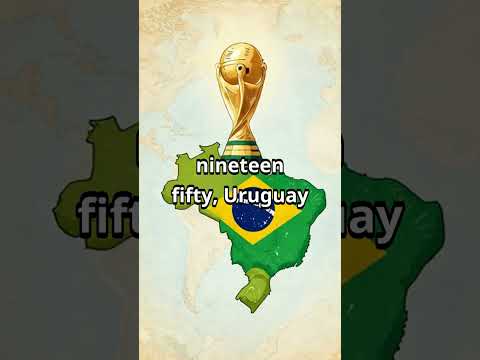
The FIFA World Cup was put on hold between 1938 and 1950 due to the outbreak of World War II. The 1942 and 1946 tournaments were cancelled, and the world had to wait until 1950 for the next edition of the tournament. The 1950 World Cup was won by Uruguay, who defeated Brazil 2-1 in the final. This period in history was marked by significant global turmoil, and the World Cup’s suspension was a testament to the devastating impact of war on international sports. The ancient rivalries and tensions between nations were temporarily set aside, as the world came together to rebuild and recover.
3. The 1966 World Cup Was Marred by Controversy
The 1966 World Cup, held in England, was marred by controversy when the host team was awarded a goal in the final against West Germany, despite the ball not fully crossing the goal line. England won the tournament, defeating West Germany 4-2 in the final. This incident led to changes in the way goals are awarded, with the introduction of goal-line technology in recent years. The geography of the host country played a significant role in shaping the tournament, with the English fans’ enthusiasm and dedication contributing to the event’s success.
4. The 1970 World Cup Introduced the Iconic Yellow and Red Cards
The 1970 World Cup, held in Mexico, introduced the iconic yellow and red cards, which have since become an integral part of the tournament. The yellow card is used to caution players, while the red card is used to eject them from the game. This innovation has helped to improve player discipline and reduce violence on the pitch. The history of the World Cup is filled with such innovations, which have contributed to the tournament’s growth and popularity.
5. The 1986 World Cup Was Won by Argentina, Led by Diego Maradona
The 1986 World Cup, held in Mexico, was won by Argentina, led by the legendary Diego Maradona. Maradona’s impressive performances, including his infamous “Hand of God” goal, helped Argentina defeat West Germany 3-2 in the final. This tournament marked a turning point in history, as it cemented Maradona’s status as one of the greatest players of all time. The civilization of the host country, Mexico, played a significant role in shaping the tournament, with the local fans’ passion and enthusiasm contributing to the event’s success.
6. The 2010 World Cup Was Held in South Africa, Marking a New Era for the Tournament
The 2010 World Cup, held in South Africa, marked a new era for the tournament, as it was the first time the event was held in Africa. The tournament was won by Spain, who defeated Netherlands 1-0 in the final. This edition of the World Cup was notable for its world record attendance and viewership numbers, with over 3.2 billion people watching the tournament worldwide. The history of the World Cup is filled with such milestones, which have contributed to the tournament’s growth and popularity.
7. The 2018 World Cup Saw the Introduction of Video Assistant Referees (VARs)
The 2018 World Cup, held in Russia, saw the introduction of Video Assistant Referees (VARs), which were used to assist referees in making decisions. The tournament was won by France, who defeated Croatia 4-2 in the final. The use of VARs marked a significant innovation in the history of the World Cup, as it helped to improve the accuracy of refereeing decisions and reduce controversy. The geography of the host country, Russia, played a significant role in shaping the tournament, with the local fans’ enthusiasm and dedication contributing to the event’s success.
Final Thought
As we conclude our journey through the history of the FIFA World Cup, it’s clear that this tournament has come a long way since its humble beginnings in 1930. From the introduction of yellow and red cards to the use of VARs, the World Cup has continually evolved to improve the game and enhance the fan experience. With its rich history, fascinating ancient rivalries, and world record attendance and viewership numbers, the FIFA World Cup remains one of the most captivating and beloved sporting events in the world. As we look to the future, it’s exciting to think about what the next chapter in the history of the World Cup will hold.
Frequently Asked Questions
When was the first FIFA World Cup held?
The first FIFA World Cup was held in Uruguay in 1930, with 13 teams participating.
Why was the World Cup cancelled in 1942 and 1946?
The World Cup was put on hold due to the outbreak of World War II.
Which team won the first FIFA World Cup?
Uruguay won the inaugural FIFA World Cup in 1930, defeating Argentina 4-2 in the final.
Recommended Reading
Explore these hand-picked resources to dive deeper into this topic:
- The Ball Is Round by David Goldblatt
- Fever: How Football Explains the World by Bill Buford
- FIFA World Cup Documentary Series (streaming sports collection)
As an Amazon Associate, we earn from qualifying purchases. This helps support Fact Storm Hub at no extra cost to you.
Share this story
🤖 AI Content Disclosure
This article was created using AI-assisted research and writing tools, then reviewed for quality and accuracy. Facts are sourced from publicly available web research, but readers should verify critical information from primary sources.
Published for educational and entertainment purposes. Last reviewed: May 2026